


Andrew Markham
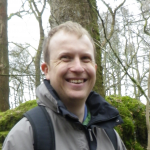
Professor Andrew Markham
Wolfson Building, Parks Road, Oxford OX1 3QD
Interests
Research Output
My Google Scholar Citations page is the most up to date source of information about my group's research output (sort by year to get the most recent publications which gives you an idea of the trajectory of my work). I have published over 200 papers, have 6 patents and have supervised over 25 PhD students to completion.
About
I am a full Professor of Computer Science and I work on sensors, signal processing/machine learning, and systems i.e. Physical AI. My research revolves around making machines (ranging from tiny embedded systems to robots and autonomous vehicles) better perceive, understand, and predict the physical world. I work within the Cyber Physical Systems (CPS) theme, and lead a large group of researchers and DPhil candidates. I am particularly focussed on Nature Technology/Conservation Technology - I look at how best can we use AI advances to better understand and protect our natural world.
I am the Computer Science lead for the Intelligent Earth Centre for Doctoral Training, which sits at the boundary of environmental science and AI/ML. I am also currently Director of the MSc in Software Engineering in the Professional Master's Programme, previously acting as Programme Director and Chair of Examiners.
I obtained my PhD from the University of Cape Town, South Africa in 2008 researching the design and implementation of a wildlife tracking system, using heterogeneous wireless sensor networks (in particular, which trained a neural network on a microcontroller in real-time, long before neural networks became cool). I joined Oxford in 2008, first as a Postdoctoral Fellow, then an EPSRC Interdisciplinary Early Career Fellow (2010). I became a faculty member in 2013 and was promoted to full professor in 2021 under the Recognition of Distinction exercise.
Recent Press
 Lions have unique roars - AI combined with new technology shows that lion roars are individually distinct.
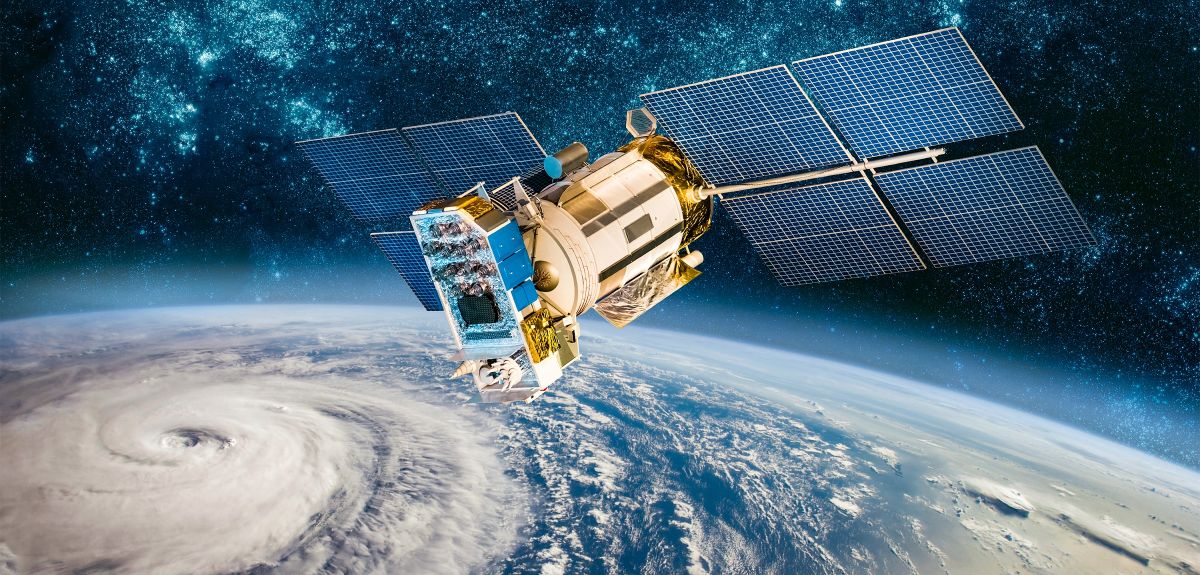 First demonstration of training AI models in space
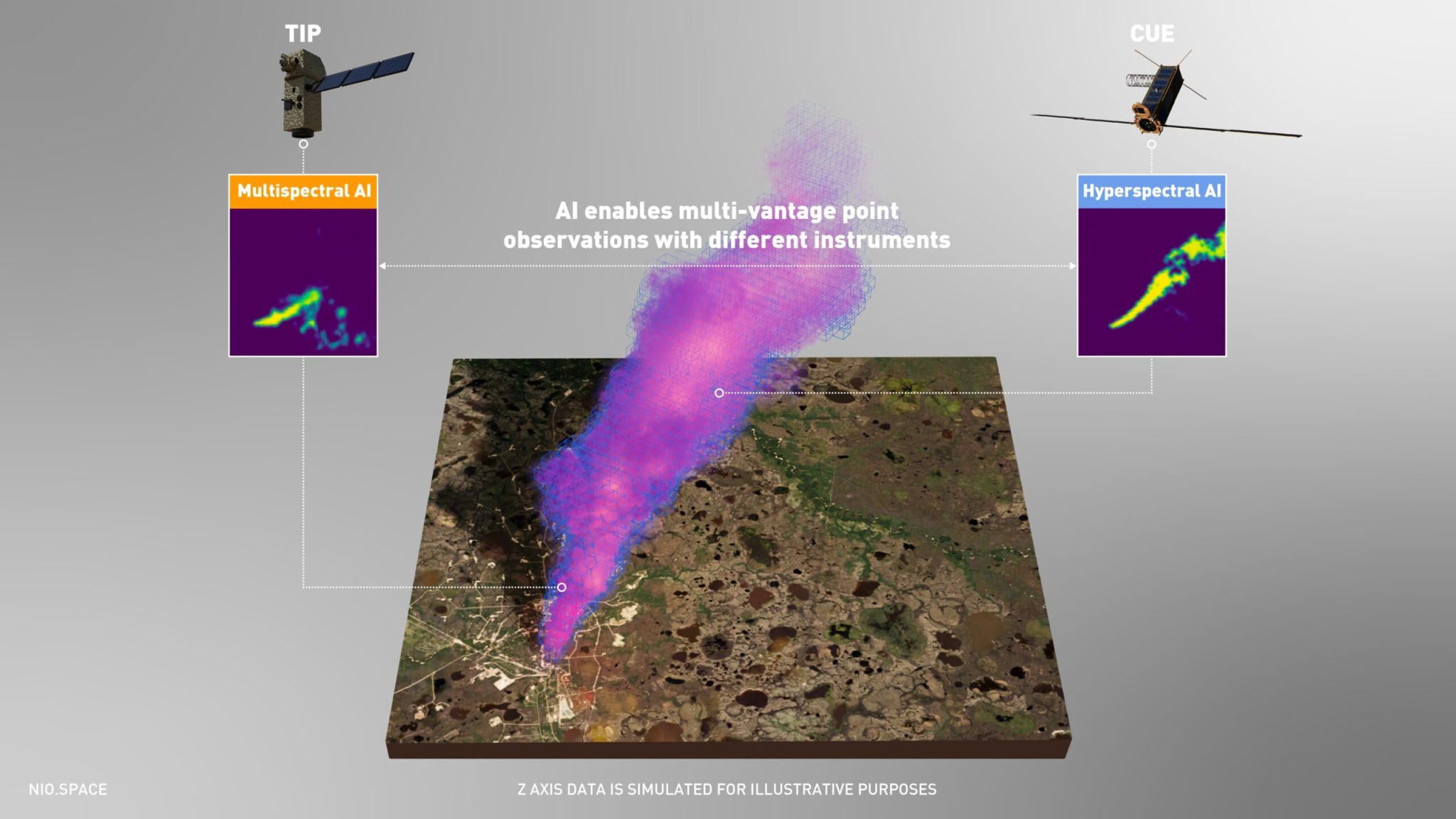 Using AI in space to detect methane emissions (and TED talk by Vit Ruzicka)
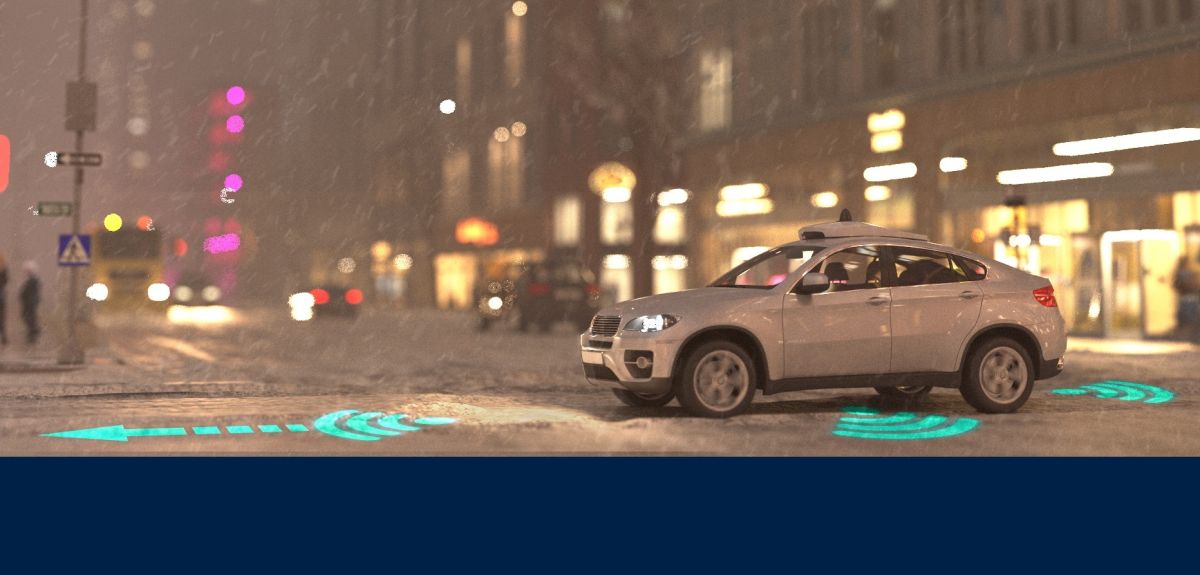 Autonomous adaptation for driverless vehicles in challenging conditions
 Positioning in challenging environments
Biography
PhD in Electrical Engineering, University of Cape Town, South Africa (2008):
"On a wildlife tracking and telemetry system: a wireless network approach"
BSc in Electrical Engineering, First Class Honours, University of Cape Town, South Africa (2004)
Selected Publications
-
mmPoint: Dense Human Point Cloud Generation from mmWave
Qian Xie‚ Qianyi Deng‚ Ta−Ying Cheng‚ Peijun Zhao‚ Amir Patel‚ Niki Trigoni and Andrew Markham
In British Machine Vision Conference (BMVC). 2023.
Details about mmPoint: Dense Human Point Cloud Generation from mmWave | BibTeX data for mmPoint: Dense Human Point Cloud Generation from mmWave | Download (pdf) of mmPoint: Dense Human Point Cloud Generation from mmWave
-
Beyond Fusion: Modality Hallucination−based Multispectral Fusion for Pedestrian Detection
Qian Xie‚ Ta−Ying Cheng‚ Jia−Xing Zhong‚ Kaichen Zhou‚ Andrew Markham and Niki Trigoni
In IEEE/CVF Winter Conference on Applications of Computer Vision (WACV). 2023.
Details about Beyond Fusion: Modality Hallucination−based Multispectral Fusion for Pedestrian Detection | BibTeX data for Beyond Fusion: Modality Hallucination−based Multispectral Fusion for Pedestrian Detection | Download (pdf) of Beyond Fusion: Modality Hallucination−based Multispectral Fusion for Pedestrian Detection
-
Illumination−Aware Hallucination−Based Domain Adaptation for Thermal Pedestrian Detection
Qian Xie‚ Ta−Ying Cheng‚ Zhuangzhuang Dai‚ Vu Tran‚ Niki Trigoni and Andrew Markham
In IEEE Transactions on Intelligent Transportation. 2023.
Details about Illumination−Aware Hallucination−Based Domain Adaptation for Thermal Pedestrian Detection | BibTeX data for Illumination−Aware Hallucination−Based Domain Adaptation for Thermal Pedestrian Detection | Download (pdf) of Illumination−Aware Hallucination−Based Domain Adaptation for Thermal Pedestrian Detection
Activities
- Cyber Physical Systems
- Workplace Autonomy
- Deep Learning Based Inertial Tracking
- Intuitive Physics
- Mobile and People-centric Systems and Sensing
- Intelligent Resource Constrained Systems
- Machine Learning Systems
- Distributed Sensing and Coordination
- Positioning in GPS-denied Environments
- Software Engineering